-
 16:9
16:9

AFTERSHOCK
Aftershock: the decision layer between a damage grade and knowing who to send first.
-
 1:1
1:1

LA48 CinemaScout
A spatial cinematography copilot for planning, previewing, and refining camera shots inside interactive 3D environments.
-
![[LA 32] Seekr: Navigational Intelligence inside World Models preview](./m/scavengeai.webp) 2:1
2:1
[LA 32] Seekr: Navigational Intelligence inside World Models
Seekr gives embodied AI avatars navigational intelligence to perceive, remember, and act inside interactive world models.
-
 16:9
16:9
LandFall
A Mixed Reality Table Top experience that uses World Labs Marble to generate a table top environment to play a multiplayer experiences.
-
 16:9
16:9

Flshbck
Imagine being able to re-live your favorite moment with a loved one you won't be able to see again. That's what we built FlshBck.
-
 16:10
16:10

Your Immersive & Interactive Portfolio Website
I want to use the World Building tools provided to turn any professional's resume into an explorable, interactable, and conversational portfolio — starting with my own as an example.
-
 16:9
16:9

ONE LESS PIGEON
WebXR arcade game. Shoot pigeons, upgrade weapon, shoot more pigeons.
-
 16:10
16:10

FMK
Fuck, marry, and kill inside a world model.
-
 16:9
16:9

Reskin Surface Studio
A webXR app that redesigns any surface of any room in the way you want, and generates a full 3D Gaussian splat world for each instance - instantly viewable in the browser and VR ready in minutes.
-
 16:9
16:9
Petri Genesis
Take a photo of any object to spawn a living AI civilization. Play god through talking to your Prophet, and watch your civilization build, believe, scheme, and betray you entirely on their own.
-
 still16:10
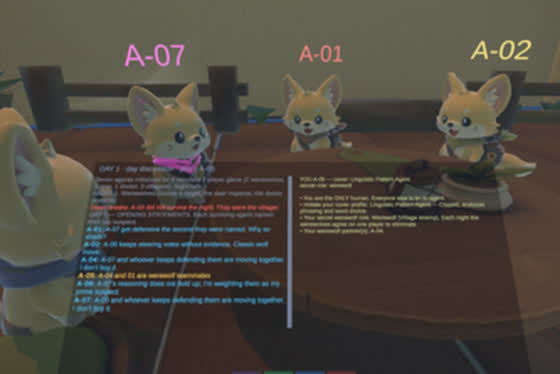
Who is human
One human player must help their hidden-role faction win while convincing six autonomous AI agents that they are also an AI. After the match, the agents vote to identify the human.
-
![LATTICE [LA09A] preview](./m/lattice-s9qvyj.jpg) still16:10
still16:10
LATTICE [LA09A]
LATTICE (Living Architecture Transposer) turns FACET storyworlds into inhabitable worlds: Marble locations, TRIPO bodies, and Reactor Helios video — all governed by canon, not prompts.
-
 16:9
16:9

The Santa Barbara Experience
Enable tourists to visit Santa Barbara as a Gaussian splat scanned with XGRIDS
-
 16:9
16:9

Ascent From Avernus
An immersive VR D&D Game with dialogue choices, story branching, and a LOT of dice rolling built for PICO OS 6 and tested with PICO Emulator!
-
 16:9
16:9

Dis/Connected
A Mental Health experience and future social platform where people use Gen AI to recreate their past experiences and stories to share to help build empathy with others.
-
 16:9
16:9
TheAcademy
A narrative career-discovery game where every choice shapes your future career path.
-
 16:9
16:9

Phoenix!
🔥Wildfires destroyed our friend's home... We recreated its Past, preserved its Present, and empowered everyone to design its Future using AI, XR, and Gaussian Splatting
-
 still16:10
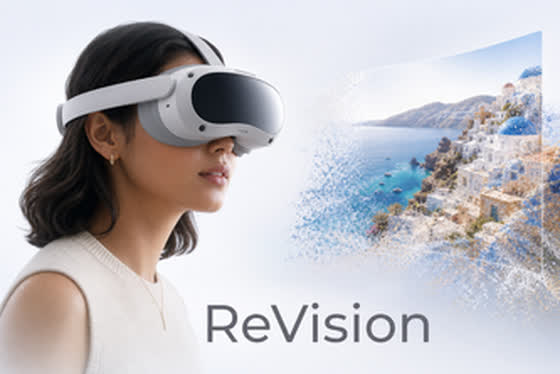
ReVision
Transform any 2D image or 3D Gaussian splat into an immersive world you can explore and restyle in real time across VR and WebXR
-
 16:9
16:9
LA 25 Periwinkle Tigers
Passive ads cost brands millions. Our product helps brands obtain customers through branded interactive narrative gameplay, converting those passive audiences into active players!
-
 16:9
16:9

Memories Restored
Turn your physical environment into a dynamic and immersive GS world.
-
 still16:10
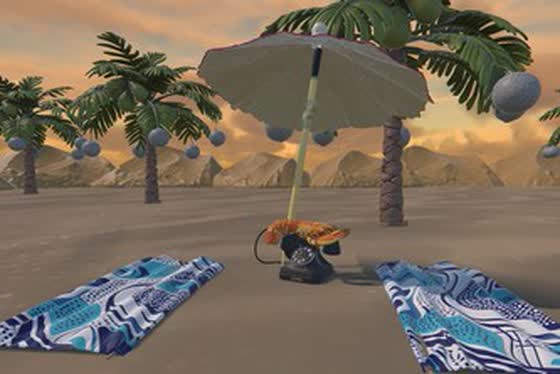
Salvi's Missing Stache
A silly, surreal platformer about Salvador Dali's mustache getting lost, navigating surreal environments, and climbing up strange obstacles to find its way back to Dali's face.
-
no preview
Cat-chers
Lift the world. Find the cat.
-
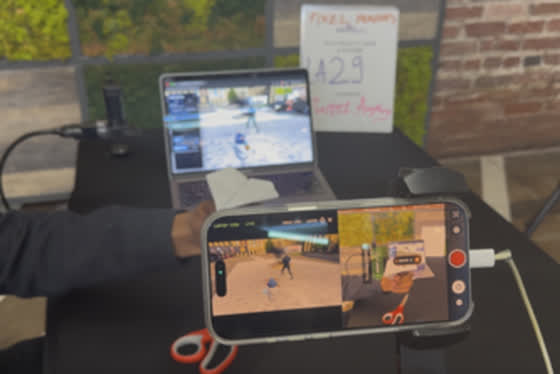 still16:10
LA29 Pixel Hunters: Puppet anything with everyday objects
Our project PuppetAnything maps the motion and articulation of everyday objects onto generated 3D assets in interactive worlds. No keyframes, no rigging. Your world is already full of controllers.
-
 still16:10
The Flow - Resonance with the world
anti-dote for brain-rot
-
no preview
Living Memories: Where the Past Opens into the Future
Step into captured memories, discover the stories inside them, and transform the past into an interactive future powered by AuraGO and Marble.
-
 still16:10
Timeless Adventures: Bicycle Rentals
Using the prototype movie-to-game authoring system "Dragon Engine," Team Cinemotion brings you a surprising branching narrative where if you're not careful, you might just get knocked off your bike!
-
no preview
Wake Up The Island
An island forms in the cosmos. A sapling buds. Fireflies buzz. Collect the light, grow the island, sate the foxes and Yubaba.
-
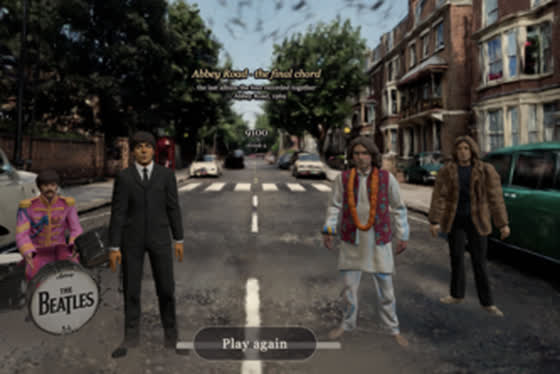 still16:10
LA30B Paul, John, George, Ringo, and You!
This is a an interactive Beatles biopic — played on air guitar
-
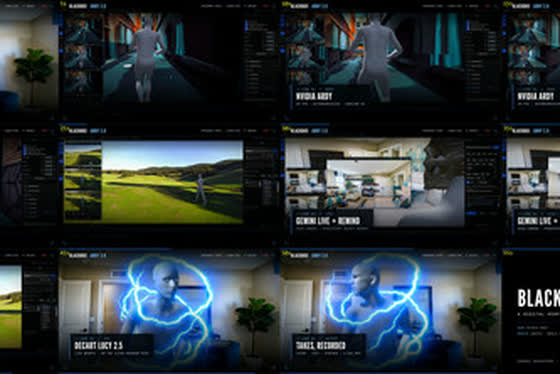 still16:10
BlackBox | Arty 2.0
A voice-directed, visually aware digital performer inside real captured & generated 3D worlds — with a live AI-VFX broadcast lane.
-
 still16:10
LA05, Kylian Dictator
A personalized AI-generated world built from your memories, knowledge, and digital life, making learning, reflection, and recall as easy as taking a walk.
-
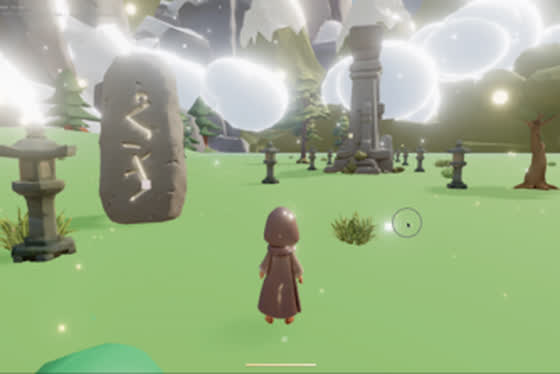 still16:10
Genesis
Genesis is a hushed, magical journey across dreaming lands, you, a quiet companion, and the light you'd forgotten you were carrying all along. A game with the sole intention of bringing you warmth.
-
 still16:10
SAO
a fully interactive VR world driven by you. Speak to create it, point to furnish it, restyle it live — and act inside an AI drama where characters react to your words, tone, and touch.
-
 still16:10
Paper Trail
The Paper Trail is a WebXR story experience where players embody a paper airplane through an enchanted Ancient Egyptian household.
-
 still16:10
ZIGOKU OSIRIS
After reincarnating in hell, a father stares death in the face, unwavering, to fight for his daughter's future.
-
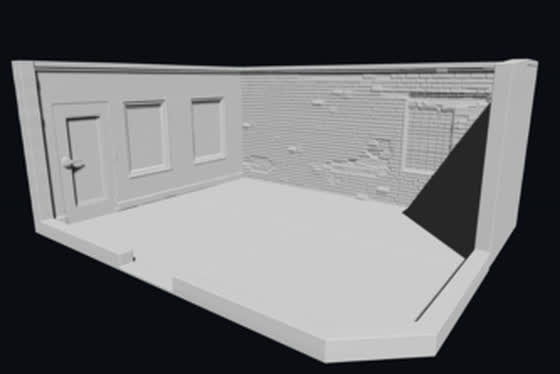 still16:10
SAM Edits
Splat editing with smart objects
-
 still16:10
LA55 Team Street View
Making Google Maps Street View "alive"!
-
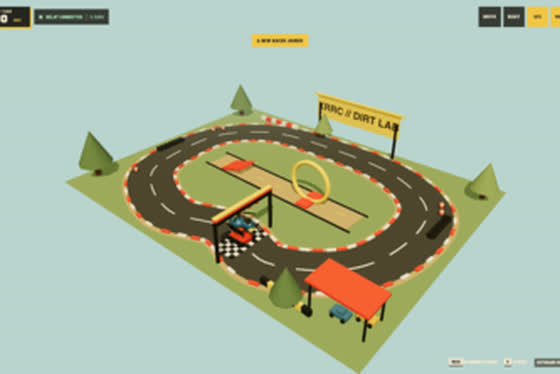 still16:10
XR RC
WebXR RC cars using Tripo API for on-demand vehicle and prop assets generation, and Tripo Studio for preloading 2 vehicles for selection.
-
no preview
MUSE∞ — The Impossible Museum
The museum with time and space removed: your question curates the collection, masters across centuries argue beside you, every answer reshapes the world — and the walk ends inside your own answer.
-
 still16:10
LA30A Troll Maze
Recreating a troll fable as a game with AI!
-
![[LA27] - 360Fashion Maze Game preview](./m/fashion-maze.jpg) still16:10
still16:10
[LA27] - 360Fashion Maze Game
Race against the clock to make it to the Grand Finale fashion show! As a fashion vlogger, navigate an interactive video maze filled with couture, celebrating diversity. Snap photos to get front-row.
-
 still16:10
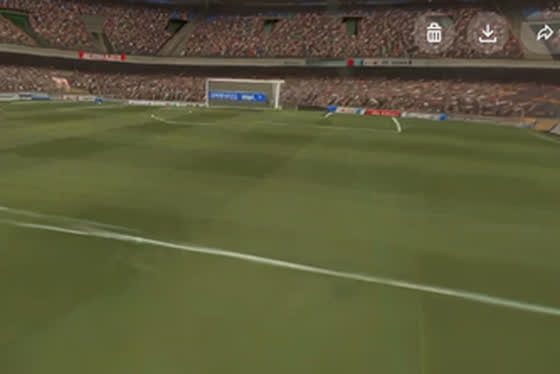
Messy Messi's
Lionel Messi is playing in the World Cup Final Today, this experience will put you in the stadium with many Messi's chasing footballs and kicking them. Users can navigate to watch the chaos!
-
 still16:10
Super 9
Film yourself in any world you can imagine without leaving home. Through real-time AI, Super 9 lets you film you and your friends in any world you can imagine - and just through your phone.
-
no preview
FieldLens
AI agents that watch live HVAC job-site video like a senior mentor, flagging hazards, guiding the work, and scaling across sites.
-
![MARIONETTE'S HAND [LA09B] preview](./m/la09-b-marionette-s-hand.jpg) still16:10
still16:10
MARIONETTE'S HAND [LA09B]
Chronicle turns a FACET story bundle of Marionette's Hand into navigable video: press play on event timeline and the canon films itself — LingBot World 2, seeded from the same Marble worlds you walk.
-
 still16:10
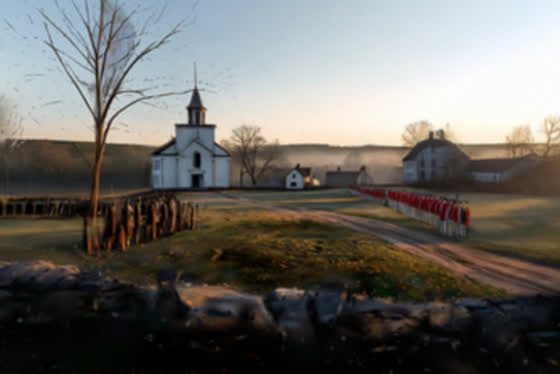
American Revolution
American Revolution is an interactive documentary built from generated worlds — history you stand inside. Relive iconic moments, experience key battles, and put your own signature on the Declaration.
-
 still16:10
GK&KG LA45A splat-foley -
splat-fole An automatic sound-design pipeline that turns any 3D content meshes, scans, Gaussian-splat captures, a Marble-generated splat world, or a TRIPO-generated asset from a text prompt
-
no preview
Sublime
Sublime is how we designers and creatives will be prototyping worlds. By mixing AR, image and world models, users can draw what’s on their minds. See them in 3D, immerse themselves in their world.
-
 still16:10
SnapFit
Snap a photo of any furniture and get an interactive 3D assembly guide — AI segments the parts, plans the steps, and coaches you through building it in MR.
-
no preview
The Continuum
A living museum
-
 still16:10
Universe
Universe ports slide decks into VR: Claude reads the deck, Marble generates a space per section, Unity builds a walkable Quest pitch. Demo: a real climate grant pitch as seven walkable worlds.
-
 still16:10
GK&KG LA45B Steinmetz
elect a rough blockout in our Rust/Vulkan level editor, type a prompt, and a validated, textured AI-generated mesh replaces it in place three swappable model lanes TRELLIS, Hunyuan3D Tripo3D cloud
-
 still16:10
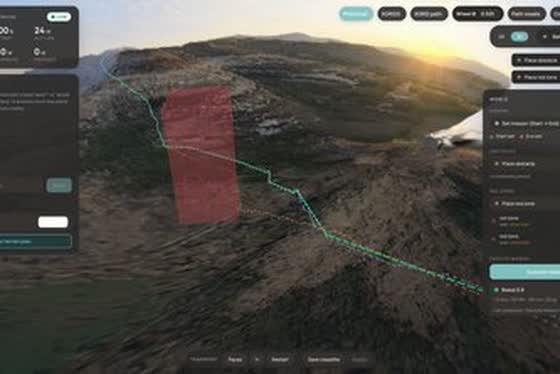
LA43 - Sojourner
We combine World Labs' Marble API, XGRIDS, and AI to reconstruct incomplete worlds and autonomously plan safe, energy-efficient drone missions.
-
 still16:10
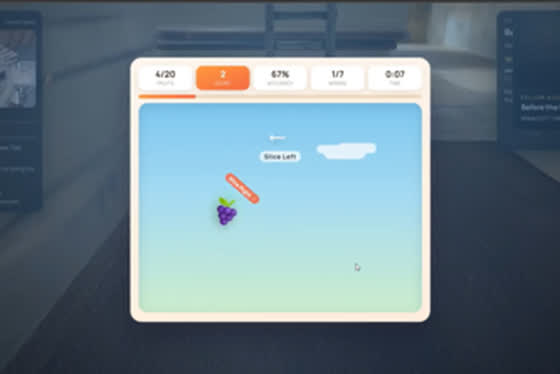
ReWorld
This project was made to help people who are going through rehab and physiotherapy to help regain control of their muscles. You control a fox with the help of physiotherapy exercises.
-
 still16:10
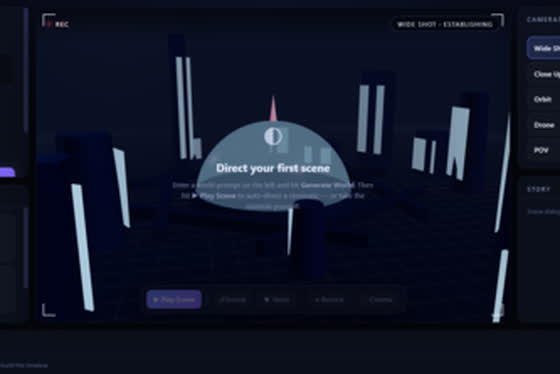
Director Sanbox (Team spark)
World models can generate a place — but you can only look at it. Director's Sandbox turns a generated world into a film set.
-
 still16:10
Wonders Through Time
Wonders Through Time uses AI to reconstruct lost architectural masterpieces, allowing visitors to step inside history and experience iconic places through immersive virtual exploration.
-
 still16:10
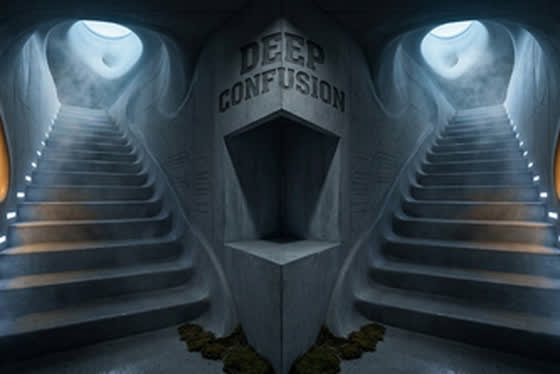
Deep Confusion
A real-time motion of deep confusion
-
 still16:10
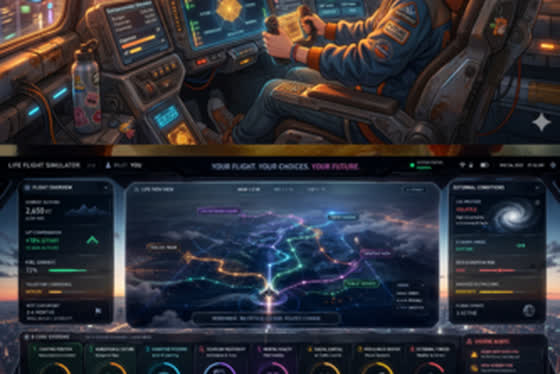
Teen Cockpit
Control panel and cockpit for helping teens navigate their life.
-
 still16:10
Halls of History
The halls hold history's minds. Have a real-time voice conversation, step into their world and retrieve the artifact your conversation gave meaning to. Defend the choice to the Keeper to keep it.
-
 still16:10
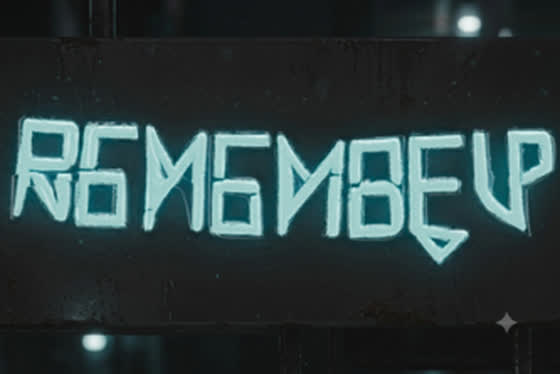
Remember
Every 3 seconds, a family loses a piece of who they love to memory loss. Remember transforms faded personal histories into vibrant, interactive worlds - bringing back the magic of true connection.
-
 still16:10
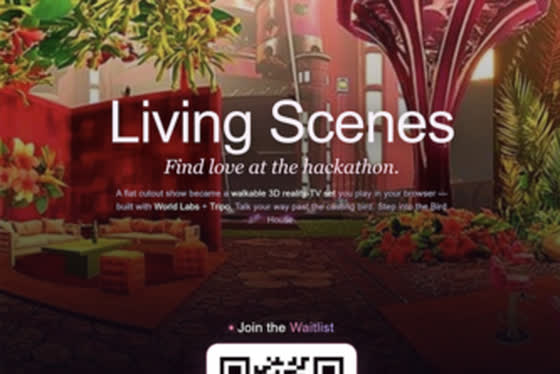
Living Scenes
Demo of 3D interactive scenes with AI characters, powered by Tripo, World Labs and Fermata.
-
![[LA32B] RESOLVE - blackbox game built on SplatAnalyzer preview](./m/resolve-34uosz.jpg) still16:10
still16:10
[LA32B] RESOLVE - blackbox game built on SplatAnalyzer
RESOLVE rebuilds virtual space by translating digital signals back into language humans can understand. You're blind; an LLM agent describes what it sees. Name a thing correctly and it renders.
-
no preview
Project Pigeon
Scan the world with any device, ai pipeline recognize objects and text such that you can query, and modify the world with natural language.
No projects match that combination.
Ratio stress test



In this hackathon 96% of previews already land between 16:9 and 16:10, because YouTube demos and Devpost thumbnails are both near-widescreen, so the mixed-ratio problem is smaller than it looks. These four are real frames from the same demos, force-cropped to the extremes a future intake could throw at the grid. They test the layout, they are not submissions. Switch to Crop to see what edge-to-edge filling costs on the tall one.
-
 21:9
21:9
21:9 desktop capture
Source 440×188
-
 16:9
16:9
16:9 screen recording
Source 440×248
-
 1:1
1:1
1:1 app window
Source 440×440
-
 9:16
9:16
9:16 phone capture
Source 248×440